Fava Applique Font: A Designer’s Honest Review
As an embroidery designer who spends countless hours digitizing and testing files for real-world application, I am always on the lookout for fonts that bridge the gap between whimsical charm and professional durability. Recently, I took a close look at Fava Applique Font from Creative Fabrica to determine if it holds up under the scrutiny of commercial production. For those of us running small businesses or selling handmade goods on platforms like Etsy, finding the right typography is crucial. It is not just about aesthetics; it is about stitch quality, ease of use, and the final impression left on the customer.
My initial impression of this machine embroidery design was one of playful sophistication. The font carries a distinct personality that feels both modern and slightly nostalgic, making it a versatile candidate for various projects. Unlike standard block letters that can feel sterile, Fava brings a decorative appeal that naturally elevates simple items. When I visualized this font on a canvas tote or a cozy baby blanket, it felt like a perfect fit. It does not scream for attention but rather invites a closer look, which is exactly what you want in high-end personalized gifts.
Visual Mood and Design Personality
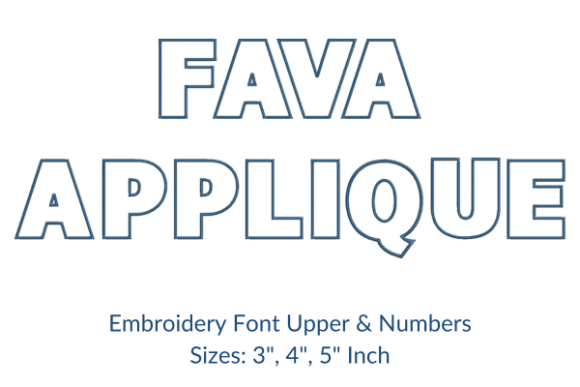
The visual mood of Fava Applique Font is warm and inviting. It sits comfortably within the School category of design assets, yet its versatility allows it to transcend typical academic themes. The curves are soft, avoiding the sharp angles that can sometimes cause thread breaks or puckering in smaller sizes. This smoothness is critical when working with an applique design, as the fabric edge needs to sit cleanly against the stitching.
What stands out most is the balance between detail and simplicity. In embroidery, less is often more, especially when dealing with text. Overly complex fonts can become muddy when stitched out, losing their legibility. Fava maintains clarity even at moderate sizes, ensuring that names, dates, or short quotes remain readable. This makes it an excellent choice for personalized gift items where the recipient’s name is the focal point. The design suggests a handcrafted feel, which aligns perfectly with the values of creative entrepreneurs and boutique merchandise sellers.
Performance in Real Embroidery Projects
To truly evaluate an embroidery file, you must imagine it on actual products. I considered how Fava Applique Font would perform across a range of common items for my shop. For custom apparel, such as sweatshirts or hoodies, the font’s structure suggests it would lay flat without excessive bulk. Sweatshirt embroidery requires careful management of stitch density to prevent the garment from becoming stiff, and this design appears to respect that need.
For home decor items like pillow covers or kitchen towels, the font offers a charming aesthetic. Imagine a set of monogrammed kitchen towels for a wedding gift; the applique style allows for creative fabric combinations, adding texture and depth that simple satin stitching cannot achieve. Similarly, for a tote bag design, the boldness of the letters ensures visibility from a distance, making it ideal for branded merchandise or craft fair products.
I also considered its use on smaller items like caps and patches. An embroidered patch requires precise digitizing to ensure the edges do not fray or lift. The clean lines of Fava suggest it would hold up well in this context, provided the correct stabilizer is used. For nursery decor, such as baby blankets or wall hangings, the soft curves contribute to a gentle, comforting vibe that parents appreciate.
Practical Considerations for Stitching
While the design is promising, practical execution requires attention to detail. When working with any applique font, the choice of fabric is paramount. I recommend testing on scrap fabric first, especially if you are using textured or stretchy materials. For stretchy fabrics like jersey knits used in t-shirts, a cut-away stabilizer is essential to maintain shape. For woven fabrics like cotton twill used in tote bags, a tear-away stabilizer may suffice, but always check the hoop size requirements.
One critical aspect to consider is the contrast between the applique fabric and the surrounding stitching. Since this is an applique design, the thread colors used for the tack-down and satin stitches should complement, not clash with, the fabric insert. I advise reviewing stitch density settings on your machine. If your machine tends to pull fabric, reducing the tension slightly or using a water-soluble topping on plush fabrics like towels can prevent sinking stitches.
Small lettering can be tricky. If you plan to use Fava Applique Font for tiny details, such as on a child’s cap or a small pocket, ensure that the hoop size allows for precise placement. Curved surfaces, like the front of a baseball cap, require careful hooping to avoid distortion. Always inspect small details after stitching to ensure the fabric edges are fully covered by the satin or fill stitches.
Enhancing Product Value and Brand Consistency
Using a high-quality font like Fava can significantly impact your brand’s perceived value. In the world of online sales, product photography is everything. A well-stitched, visually appealing font translates beautifully into digital images, enhancing your printable mockup presentations. When customers see clean, professional embroidery in your photos, it builds trust and encourages engagement.
Consistency is key for creative entrepreneurs. If you are building a line of commercial embroidery products, having a signature font style helps customers recognize your work. Fava Applique Font offers a distinctive look that can become part of your brand identity. Whether you are creating seasonal handmade gifts or everyday essentials, the cohesive look of this font can tie your collection together.
Moreover, the giftability factor is heightened by thoughtful design. A name embroidered in a charming, well-executed font feels more personal and special than a generic print. This emotional connection can lead to higher customer satisfaction and repeat business. For digital product sellers, offering designs that utilize such fonts can also enhance the appeal of your design assets.
Final Thoughts and Licensing Notes
Before downloading any digital embroidery file, it is vital to review the specific details on the Creative Fabrica product page. While this review focuses on the design’s aesthetic and practical potential, you must confirm file formats, hoop sizes, and license terms. Ensure that the files are compatible with your specific embroidery machine. Most importantly, verify the commercial use rights if you plan to sell finished products.
In summary, Fava Applique Font presents itself as a strong contender for designers looking to add a touch of warmth and professionalism to their projects. Its versatility across different fabrics and products, from sweatshirt embroidery to nursery decor, makes it a valuable addition to your library. By paying attention to stabilizer choices, thread contrast, and hoop placement, you can maximize the potential of this design. For those seeking to elevate their handmade offerings with a font that balances charm and clarity, Fava is certainly worth considering for your next project.