Review: Computer Robot Font for Modern Embroidery Projects
As a designer who spends more time staring at stitch simulations than most people care to admit, I am always on the lookout for typography that bridges the gap between digital crispness and textile reality. When I first loaded the Computer Robot Font Embroidery Design onto my screen, my immediate reaction was one of nostalgic curiosity. This isn't just another script or block font; it carries a distinct personality that screams "future retro." For those of us running small shops or crafting personalized gifts, finding a font that stands out without sacrificing readability is the holy grail. This review breaks down how this specific machine embroidery design performs when moved from the screen to the hoop, focusing on real-world application rather than just marketing hype.
The Aesthetic: Tech-Nostalgia Meets Textile Texture
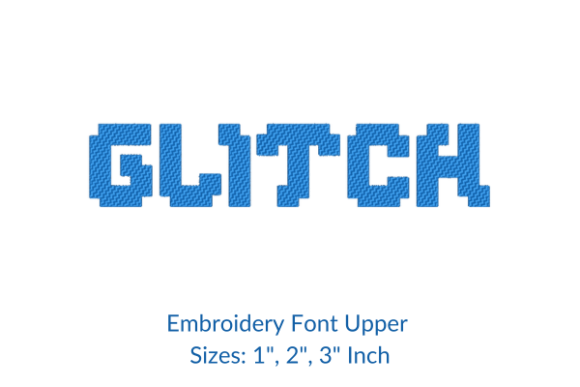
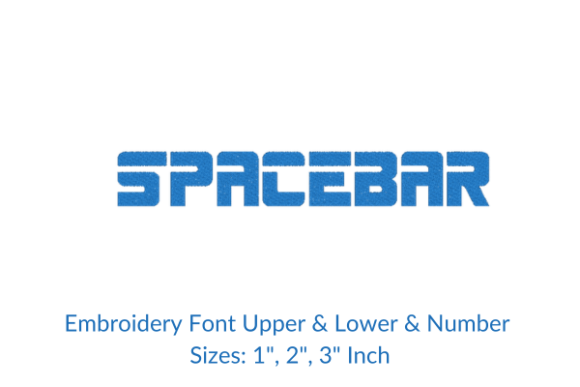
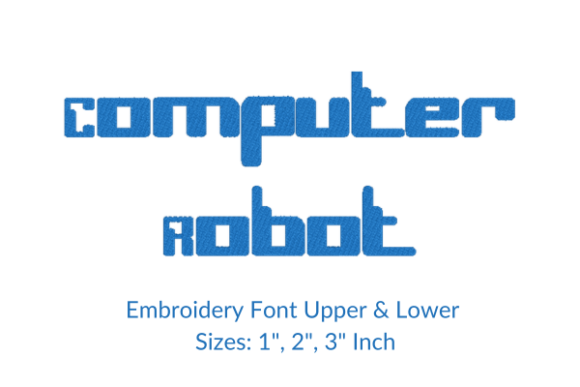
The visual personality of the Computer Robot Font Embroidery Design is its strongest asset. It captures that classic sci-fi aesthetic reminiscent of early computing and arcade games, but with clean lines that translate well into thread. Unlike some novelty fonts that become illegible once stitched, this design maintains strong character definition. The geometric shapes suggest a mood that is playful yet structured, making it an excellent choice for projects targeting a younger demographic or anyone with a love for geek culture.
In terms of layout, the letters feel balanced. They aren't so wide that they eat up your entire hoop space, nor are they so narrow that they look spindly on thick fabric. When evaluating this for a School project or a youth league uniform, the theme fits perfectly. It feels native to that environment without trying too hard. However, the true test of any Embroidery asset is not how it looks as a vector, but how it behaves as a finished product.
Real-World Application: The Custom Tote Bag Test
To give you a practical perspective, I simulated a recent client request: a custom embroidered tote bag for a local coding bootcamp graduation. The goal was to create something that felt modern and commemorative. I chose the Computer Robot Font Embroidery Design to stitch the graduates' names and the year.
Working with canvas tote bags presents specific challenges, primarily regarding fabric texture and stability. The geometric nature of this robot font held up surprisingly well against the weave of the canvas. Where a delicate script might have gotten lost or snagged, the bold strokes of this design popped. The result was a handmade product that looked professional enough for a boutique but unique enough for a personal keepsake. If you are an Etsy seller looking to expand your custom apparel or accessory line, this font offers a niche appeal that separates your listings from the sea of standard monograms.
Versatility Across Products
Beyond tote bags, I can see this digital embroidery file thriving in several other categories:
- Sweatshirt Embroidery: The bold lines work exceptionally well on fleece or French terry, where finer details often sink into the nap of the fabric.
- Baby Embroidery: For nursery decor or onesies, the playful shape adds a whimsical touch without being overly childish.
- Embroidered Patch Creation: The closed shapes and distinct outlines make this an ideal candidate for creating iron-on or sew-on patches, a huge trend in current craft business markets.
- Holiday Embroidery: Think "Future Christmas" or sci-fi themed holiday gifts; this font sets a very specific, fun tone.
Technical Considerations and Stitching Clarity
While the aesthetic is strong, we must discuss the technical execution. When working with a font that mimics digital displays, stitch density becomes a critical factor. If the density is too high, the letters may become stiff and board-like, especially on stretchy fabrics. If it is too low, the fabric might show through, breaking the illusion of a solid "pixel" or robotic line.
Before committing to a final run, I strongly advise testing the design on scrap fabric that matches your final material. Pay close attention to the corners of the letters. In robotic fonts, sharp angles can sometimes cause thread bunching if the machine's trim function or jump stitches aren't optimized. You should also review the stitch type used within the font. Is it utilizing a satin stitch for smooth edges, or a fill stitch for broader areas? Understanding this helps you select the right stabilizer. For a project like a cap, which involves a curved surface, a heavier cut-away stabilizer might be necessary to prevent the geometric lines from warping.
Fabric and Color Constraints
One area where you need to exercise caution is fabric color. This design relies on high contrast to achieve its "computer" look. On dark fabrics, ensure your thread colors are vibrant enough to stand out; neon greens, electric blues, or stark whites work best here. Conversely, on light fabrics, a dark charcoal or black thread creates that classic terminal-screen vibe.
Be wary of using this on highly textured fabrics like heavy chenille or loose knits unless you use a substantial topping. The straight lines of the robot font can get distorted by uneven surfaces, ruining the clean, digital effect. Additionally, for very small hoop sizes, check the legibility of lowercase letters. While the design is generally clear, shrinking it too much for a tiny pocket logo might merge some of the distinct character features.
Commercial Value and Brand Consistency
For commercial embroidery professionals and small shop product creators, consistency is key to building trust. The Computer Robot Font Embroidery Design offers a level of professionalism that enhances brand recognition. If you are selling design assets or finished goods, using a cohesive typographic style helps customers instantly recognize your work.
This font adds value to a personalized gift because it feels intentional. It doesn't look like a default setting; it looks like a design choice. This perception of quality directly influences buyer engagement. A customer is more likely to share a photo of a finished product that looks unique and well-crafted, providing you with free marketing via social media.
Final Designer Notes and Best Practices
Before you integrate this into your workflow, keep these practical tips in mind:
- Check Licensing: Always confirm the license terms before selling items made with this design. Some files are for personal use only, while others allow unlimited commercial sales.
- Mockup Testing: Create printable mockups in both black and white to ensure the design holds its form without relying on color contrast alone.
- File Formats: Verify that the downloaded package includes the specific embroidery file format compatible with your machine (e.g., PES, DST, EXP).
- Thread Selection: Experiment with rayon versus polyester threads. Rayon offers a higher sheen which can enhance the "digital" glow, while polyester offers better durability for items that will be frequently washed.
In conclusion, the Computer Robot Font Embroidery Design is a robust tool for the modern maker. It solves the problem of finding thematic typography that doesn't compromise on stitching quality. Whether you are decorating a tote bag design for a tech conference or adding a name to a school backpack, this font delivers a clean, recognizable, and stylish result. Just remember to respect the limitations of your materials and always test before you stitch for a client. With the right preparation, this design can become a staple in your library of go-to assets.