Review: Just a Girl Who Loves Books Embroidery Design
As an embroidery designer who has spent countless hours behind the hoop and even more time standing behind a craft fair table, I know that not every digital file translates into a bestseller. When I first loaded Just a Girl Who Loves Books into my software, I was looking for more than just cute aesthetics. I was looking for viability. Does this design hold up under the harsh fluorescent lights of a convention center? Does it stitch out cleanly on textured fabrics? Most importantly, will it stop a browser in their tracks and compel them to pull out their credit card?
This machine embroidery design falls squarely into a niche that is perpetually popular: the literary lover. Whether categorized under School supplies for teachers or general lifestyle decor, the appeal is broad. Let’s break down how this specific Embroidery asset performs when moved from the screen to the sewing room, and finally, to the sales floor.
First Impressions and Aesthetic Appeal
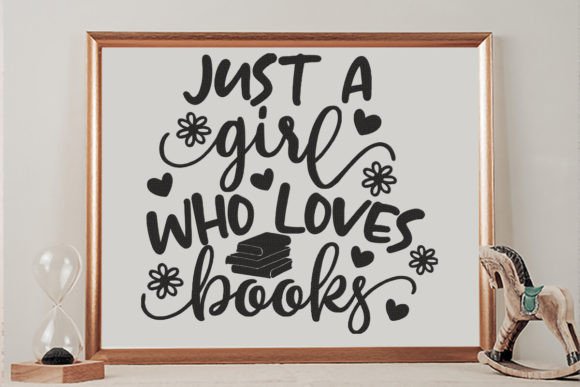
The title Just a Girl Who Loves Books suggests a playful, relatable, and slightly whimsical tone. It is not trying to be high-fashion minimalism; rather, it aims for charm and personality. In a booth setting, this is crucial. Customers at handmade markets are often looking for items that reflect their identity. This design acts as a badge of honor for readers. Visually, it feels approachable and soft, likely utilizing rounded fonts or illustrative elements that evoke a cozy, farmhouse, or modern rustic vibe. It is decorative without being overwhelming, making it a versatile addition to a product line that needs to feel personal and handcrafted.
Product Versatility and Market Fit
The true test of any digital embroidery file is its adaptability. Here is how I envision this design performing across various craft fair products:
- Tote Bags: This is arguably the strongest candidate. A canvas tote with this tote bag design centered on the front is a staple for book lovers. It is practical, visible, and serves as a walking advertisement for the buyer’s passion.
- Tea Towels and Kitchen Linens: The description mentions stitching on towels. However, caution is needed here. Terry cloth has a looped fabric texture that can swallow small details. If the design has fine lines, it may get lost. Using a cut-away stabilizer and potentially a water-soluble topping is essential to keep the stitches floating above the loops.
- Aprons: An apron embroidery project using this motif makes for an excellent gift for librarians, English teachers, or home cooks who read while they wait for the oven. Placing it on the bib or the lower skirt adds a touch of whimsy to a functional item.
- Pillow Covers: For home decor, this design works well on linen or cotton pillowcases. It adds a conversational piece to a reading nook, enhancing the handmade product value by connecting the object to a specific lifestyle.
- Embroidered Patches: If the design scales down well, turning it into an embroidered patch allows customers to add it to denim jackets, backpacks, or pencil cases. This expands the target audience to younger demographics and students.
Production Practicalities for the Small Shop Owner
For the Etsy seller or boutique maker, time is money. Batch production is key to profitability. When reviewing Just a Girl Who Loves Books, I look for efficiency. Is the stitch density manageable? High-density designs take longer to stitch and use more thread, which eats into margins. If this design is optimized for speed without sacrificing quality, it becomes a reliable small shop product.
Photography is another critical factor. This design needs to photograph well for online listings. Designs with clear contrast between the thread colors and the fabric background perform best in printable mockup scenarios and real-life photos. A dark thread on a light natural canvas, or vice versa, ensures the text is legible even in thumbnail views on mobile devices.
Critical Technical Considerations
Before committing to a large run of finished goods, there are several technical hurdles to clear. Since the specific file details like exact hoop size or stitch count are not provided in the brief description, you must verify these in the software before purchasing or producing.
- Lettering Legibility: "Just a Girl Who Loves Books" is a phrase with several words. Ensure the font size is large enough to remain readable when stitched. Tiny lettering often merges together, especially on textured fabrics like towels or thick canvas.
- Fabric Compatibility: Test the design on scrap fabric first. Check how it behaves on curved surfaces if you plan to put it on caps. Caps require specialized hoops and often result in distortion if the design is too wide or dense.
- Stabilizer Selection: Match the stabilizer to the fabric. Lightweight knits need cut-away stabilizer to prevent puckering, while woven cottons might handle tear-away well. The right stabilizer ensures the finished product looks professional and retains its shape after washing.
- Thread Contrast: Choose thread colors that pop. If the design includes intricate details, avoid low-contrast combinations like beige thread on cream fabric unless you are aiming for a subtle, tonal look.
Enhancing Brand Consistency and Buyer Engagement
Using a cohesive set of design assets helps build a recognizable brand. If your shop focuses on literary themes, Just a Girl Who Loves Books fits seamlessly alongside other book-related motifs. This consistency strengthens your booth display, making it look curated and professional rather than random. Customers are more likely to engage with a display that tells a clear story.
Furthermore, this design adds perceived value. A plain tote bag might sell for $10, but one with a high-quality, charming embroidery design can easily command $25 or more. The embroidery signals effort, skill, and uniqueness—key drivers for commercial embroidery success in a saturated market.
Final Verdict for Craft Fair Sellers
In conclusion, Just a Girl Who Loves Books is a strong contender for your next production cycle. It taps into a passionate community of readers and offers versatility across multiple product types. However, success lies in the execution. Do not assume the file is perfect out of the box. Test it. Adjust your tension. Choose your fabrics wisely. Verify the commercial licensing terms to ensure you are cleared to sell the finished product.
By treating this machine embroidery design with the careful attention it deserves, you can transform a simple digital file into a standout item that draws crowds to your table and keeps your online shop stocked with desirable, high-margin goods. Remember, the best-selling items are not just well-designed; they are well-produced. Happy stitching!