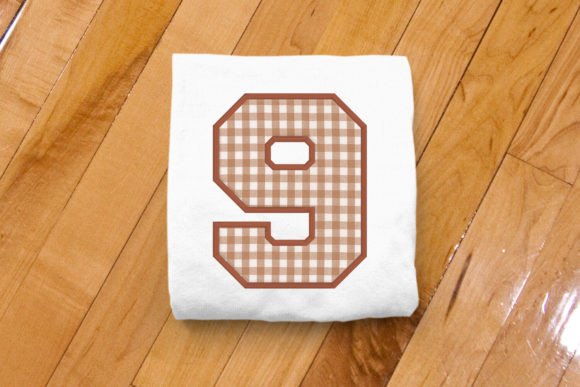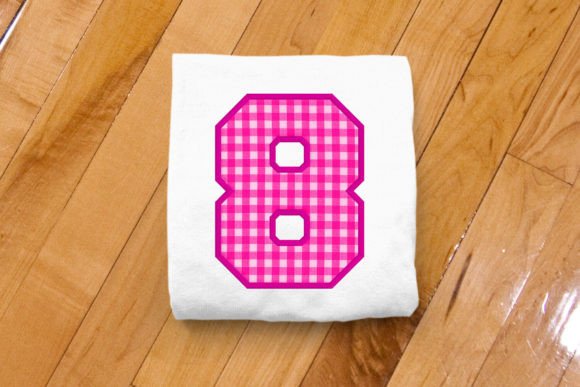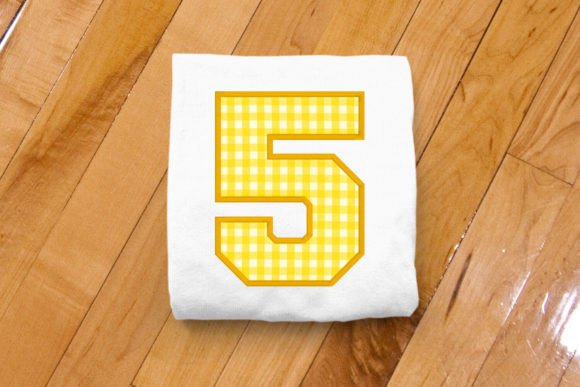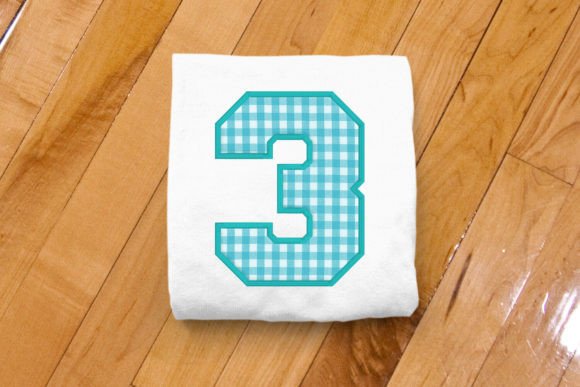
Review: Varsity Number 7 Applique Embroidery for Merch
As an embroidery designer who has spent years digitizing and testing files for small business clients, I approach every new machine embroidery design with a critical eye. It is not just about whether the stitches look pretty on the screen; it is about how that design performs in the real world of commercial production. Recently, I evaluated the Varsity Number 7 Applique Embroidery file to determine its viability for branded merchandise, staff uniforms, and boutique product lines. This review breaks down the aesthetic appeal, technical performance, and strategic business applications of this collegiate-style asset.
First Impressions: Bold, Classic, and Versatile
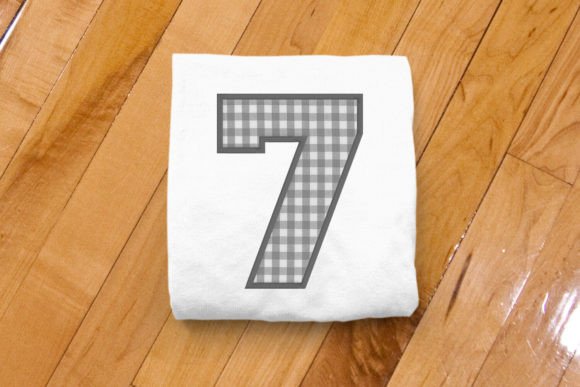
The immediate visual impact of the Varsity Number 7 Applique Embroidery is one of classic athletic energy. The design features the number 7 in a traditional varsity or collegiate style, which instantly evokes feelings of team spirit, nostalgia, and established quality. For a designer, this is a powerful starting point. It does not feel overly trendy or fleeting; rather, it possesses a timeless quality that works across various industries. While the product category is listed under School, limiting its use to academic settings would be a mistake. The bold lines and clean shapes translate beautifully to any brand looking to project confidence and approachability.
The applique technique itself is a smart choice for business owners. By utilizing fabric patches rather than dense satin stitching for the entire fill, the design reduces bulk and stitch count. This makes the finished product feel lighter and more comfortable against the skin, a crucial factor for wearable items like t-shirts and hoodies. The aesthetic is professional yet playful, striking a balance that appeals to both younger demographics and adults who appreciate retro-inspired branding.
Real-World Business Applications
When considering how to integrate this digital embroidery file into a product line, the possibilities extend far beyond simple fan gear. Here is how I envision this design performing in various small business scenarios:
- Custom Apparel and Uniforms: For cafes, breweries, or creative studios, placing this number on the sleeve of a work shirt or the chest of a denim jacket adds a personalized touch. It can represent a store location number, a founding year, or simply serve as a stylistic accent that breaks up large blocks of text in a logo.
- Embroidered Patches: This is perhaps the strongest use case. The clean edges of the number 7 make it ideal for cut-edge or merrowed border patches. These can be sold as standalone accessories or used to customize customer purchases, adding value to your small business merch.
- Cap Embroidery: Varsity styles naturally belong on headwear. Whether applied to the front panel of a dad hat or the side of a trucker cap, the design maintains its integrity. However, placement is key to ensuring the curve of the cap does not distort the numeral.
- Tote Bag Design and Aprons: For bakeries, florists, or craft shops, an apron featuring this bold number creates a cohesive team look. Similarly, canvas tote bags benefit from the durability of applique, which holds up well against the textured weave of heavy cotton.
Technical Considerations for Production
While the design is visually strong, successful execution requires attention to technical details. As a designer, I always advise testing the embroidery file on the specific materials you intend to use. Here are the critical factors to monitor:
Fabric Texture and Stabilizer Choice
Applique designs rely on the underlying fabric for their color and texture. If you are using this on a rough fabric texture like canvas or burlap, ensure the adhesive or tacky stabilizer is strong enough to hold the patch in place during high-speed stitching. For stretchy knits, a cut-away stabilizer is non-negotiable to prevent puckering around the satin stitch borders. Always test on a scrap piece first to check for registration issues.
Stitch Density and Scale
One of the advantages of applique is reduced stitch density, but the surrounding satin columns must be tight enough to cover the raw edges of the fabric patch. If you scale the design down too much for a tiny pocket logo, those satin stitches may merge, causing thread breaks or a messy appearance. I recommend keeping the design at a medium to large size to preserve the crispness of the collegiate lettering. Check the recommended hoop size provided with the file to ensure it fits your machine’s capabilities without excessive re-hooping.
Thread Colors and Contrast
The success of this design hinges on contrast. Since the number is defined by its outline, choosing thread colors that stand out against both the applique fabric and the garment is essential. A dark border on a dark patch will disappear. I suggest creating a printable mockup with various color combinations before committing to production. This helps clients visualize the final look and ensures your brand identity remains consistent.
Enhancing Brand Identity and Customer Trust
Incorporating high-quality embroidery into your product offerings elevates perceived value. When customers see a well-executed Varsity Number 7 Applique Embroidery, they associate the tactile quality of the stitches with craftsmanship and durability. This builds trust. For handmade brands and Etsy sellers, offering customized numbers allows for personalization, which is a significant driver of buyer engagement. It transforms a generic item into a unique keepsake.
Furthermore, using consistent design assets like this across your commercial embroidery projects creates visual consistency. Whether it appears on a staff uniform, a packaging tag, or a promotional gift, the recognizable style reinforces brand recognition. It signals that your business pays attention to detail, from the digital file selection to the final trim of the threads.
Designer Notes for Best Results
Before running a full production batch, follow these practical steps to ensure quality control:
- Test in Black and White: Stitch out the design in monochrome first. This reveals any structural issues with spacing or density without the distraction of color.
- Check Commercial Licensing: Always confirm the license terms included with the digital embroidery file. Ensure you have the right to use it for physical goods sold in your shop.
- Inspect the Edges: After stitching, check if the satin column fully covers the applique fabric edge. If gaps appear, adjust your tension or needle size.
- Mockup for Approval: Use digital tools to place the design on photos of your actual products. This helps manage client expectations and reduces revision requests.
- Wash Testing: Launder the test sample multiple times. Appliance washing can cause fraying if the zigzag or satin border is not dense enough. Ensure the finished product survives real-world use.
In conclusion, the Varsity Number 7 Applique Embroidery is a robust addition to any designer’s library. It bridges the gap between sporty aesthetics and professional branding, offering versatility for everything from apron embroidery to boutique patches. By respecting the technical requirements of applique work and strategically applying the design to enhance brand identity, small business owners can create merchandise that stands out in a crowded market. Always verify the specific file formats and hoop compatibility provided in the product description to ensure a smooth workflow from digitization to delivery.