Reviewing The Frog Font Embroidery Design
As an embroidery designer who has spent years digitizing fonts and testing them on everything from delicate muslin to heavy terry cloth, I approach every new machine embroidery design with a mix of curiosity and caution. When I first loaded The Frog Font Embroidery Design into my software, I was looking for more than just cute aesthetics. I needed to know if this font could hold up under the scrutiny of a paying customer. For those of us running small shops or selling on platforms like Etsy, the difference between a "nice idea" and a best-selling personalized gift often comes down to stitch quality and readability.
This review is written from the perspective of a creator preparing to offer custom items to clients. I tested this font with the intention of using it for real orders, focusing on its versatility across different product categories, particularly within the School and nursery sectors, as well as for heartfelt family keepsakes.
First Impressions: Charm Meets Clarity
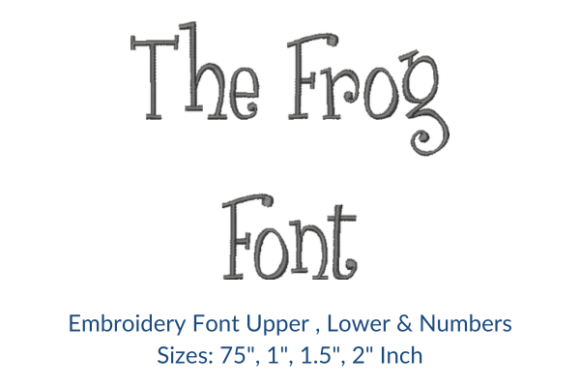
The immediate mood of The Frog Font Embroidery Design is playful yet structured. It does not sacrifice legibility for whimsy, which is a common pitfall in novelty fonts. The characters have a rounded, organic feel that suggests warmth and approachability. For a handmade product, this emotional appeal is crucial. It feels sweet without being overly juvenile, making it suitable for a wide age range.
When I zoomed in on the embroidery file, I noticed the attention to detail in the curves. The transitions between stitches appeared smooth, suggesting that the digitizer understood how thread behaves on fabric. This is not just a digital image; it is a roadmap for thread. The design feels modern enough for contemporary home decor but classic enough to remain relevant for years. For baby product creators, this balance is essential. Parents want something adorable for the nursery today, but they also want a keepsake that looks dignified when framed ten years from now.
Versatility in Personalized Gifts
The true test of any font is its application. I envisioned several scenarios where The Frog Font Embroidery Design would shine. First, consider baby embroidery. A name stitched onto a receiving blanket or a burp cloth needs to be soft and non-irritating. The stitch pattern here appears dense enough to cover the fabric well but not so thick that it creates a hard, plastic-like feel against sensitive skin.
For wedding gifts, this font offers a unique alternative to traditional script. Imagine monogramming pillow cover sets for a bridal shower. The playful nature of the font adds a touch of personality to standard linens, transforming a generic item into a cherished wedding gift. Similarly, for kitchen enthusiasts, an embroidered towel featuring a family name or a funny quote in this font becomes a functional piece of art. It elevates a simple cotton towel into a small shop product that commands a higher price point.
I also see strong potential for School related items. Teachers and students alike appreciate personalized gear. A tote bag or a pencil case embroidered with a student’s name in this font is both practical and stylish. It helps children identify their belongings while adding a layer of custom care that mass-produced items lack.
Navigating Fabric and Technical Challenges
While The Frog Font Embroidery Design is robust, no font is universal. During my testing phase, I identified areas where caution is necessary. Small lettering can be tricky. If you plan to embroider long names on a small item, such as a baby sock or a narrow cuff, the intricate details might get lost. I recommend checking the hoop size limitations of your machine and ensuring the text remains large enough to be readable after stitching.
Fabric texture plays a significant role in the final outcome. On smooth cotton or linen, the design pops beautifully. However, on textured fabrics like waffle weave or thick terry cloth, the smaller elements of the font might sink into the pile. To combat this, proper stabilization is key. Using a cut-away stabilizer for stretchy baby clothes ensures the design remains stable through multiple washes. For towels, a water-soluble topping can help prevent the stitches from sinking into the loops, maintaining the crispness of the letters.
Dark fabrics present another challenge. While the font structure is solid, contrast is vital for readability. If you are stitching on navy or black fabric, ensure your thread colors are bright and vibrant. A pastel thread on dark fabric may look elegant in a printable mockup, but in reality, it can appear muddy. Always stitch a test sample on the actual fabric color you intend to sell.
Enhancing Perceived Value and Trust
For an Etsy seller or boutique owner, the quality of the embroidery directly impacts customer trust. A clean, well-digitized font like The Frog Font Embroidery Design signals professionalism. When customers see consistent stitch density and no thread breaks in your product photography, they perceive higher value. This perception allows you to charge more for your custom embroidery services.
Moreover, this font fosters an emotional connection. A blanket with a child’s name stitched in a friendly, inviting font feels like a hug. It transforms a commodity into a memory. This emotional resonance drives buyer engagement and encourages repeat business. Customers are not just buying a stitched name; they are buying a sense of belonging and care.
Practical Steps for Production
Before launching this design in your store, follow these practical steps to ensure quality control:
- Test on scrap fabric: Never run a new design on customer goods first. Use the same type of fabric you plan to sell to check for puckering or distortion.
- Check thread color contrast: Verify that your chosen threads stand out against the background fabric, especially for smaller sizes.
- Confirm hoop size: Ensure the design fits comfortably within your machine’s hoop, leaving enough margin for clamping.
- Review stitch density: Look for areas where stitches might overlap excessively, which can cause thread breaks or needle heat.
- Use proper stabilizer: Match your stabilizer to the fabric weight and stretch. Lightweight fabrics need lightweight support; heavy towels need strong backing.
- Compare mockups: Create digital previews on both light and dark backgrounds to help customers visualize the final product.
- Inspect small details: After stitching, examine the dots over 'i's and crosses on 't's. They should be distinct and not merged with the main stem.
- Verify licensing: Since this is a digital embroidery file intended for commercial embroidery, confirm the license terms. Ensure you have the right to sell finished products made with this design.
In conclusion, The Frog Font Embroidery Design is a versatile and charming addition to any designer’s library. It bridges the gap between playful and professional, making it ideal for a wide range of personalized gifts. By understanding its strengths and respecting its technical requirements, you can create stunning, high-quality items that delight customers and elevate your brand. Whether you are creating blanket embroidery for newborns or custom aprons for chefs, this font offers the reliability and aesthetic appeal needed for successful sales.