Apple Cobbler Font: A Designer’s Craft Fair Review
As an embroidery designer who has spent countless weekends setting up booths at local markets, I know that the difference between a browser and a buyer often comes down to visual impact. When I first loaded the Apple Cobbler Font into my digitizing software, I was looking for more than just pretty letters. I was looking for a workhorse design that could elevate a handmade product from simple to sellable. This review breaks down how this specific machine embroidery design performs in the real world, specifically for those of us turning thread into income.
First Impressions: The Vibe of Apple Cobbler
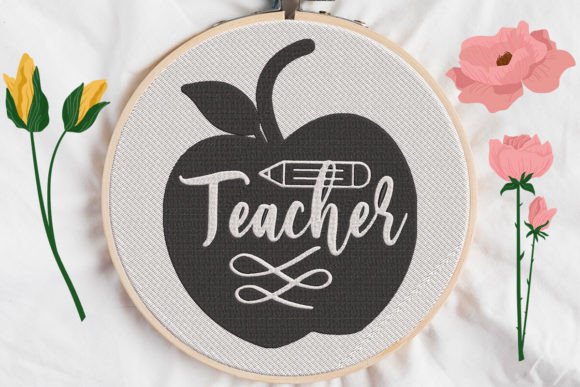
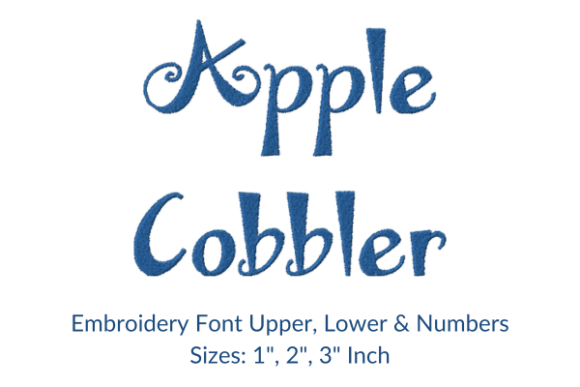
The name itself sets a distinct tone. "Apple Cobbler" suggests warmth, nostalgia, and a touch of rustic charm. Upon inspecting the stitch path, the font delivers on this promise. It does not scream modern minimalism; instead, it offers a soft, approachable aesthetic that feels right at home in the School category or any cozy domestic setting. For a craft fair seller, this is crucial. You need a font that communicates "homemade with love" without looking amateurish. The curves are smooth, and the spacing appears generous enough to allow the texture of the fabric to breathe, which is essential for maintaining that premium handmade feel.
Product Potential: Where This Font Shines
To truly evaluate a digital embroidery file, you have to imagine it on actual goods. I mentally staged my booth table with various items to see where Apple Cobbler Font would have the highest conversion rate.
- Tote Bag Design: This is arguably the strongest candidate. A canvas tote with a personalized name or a short quote in this font becomes an instant bestseller. The font’s weight is substantial enough to stand out against the coarse weave of canvas, making it a perfect craft fair product.
- Apron Embroidery: For kitchen-themed markets, an apron featuring this font adds a professional touch. Whether it is a monogram on the pocket or a witty baking quote across the bib, the design holds its shape well on cotton twill.
- Tea Towel Embroidery: Here, caution is key. While the aesthetic fits perfectly, the fabric texture of a waffle-weave towel can swallow small details. I recommend using this font for larger text rather than intricate dates to ensure readability.
- Embroidered Patch: Creating iron-on patches is a great way to offer lower-priced items. This font scales reasonably well, but you must watch your stitch density to prevent the patch from becoming too stiff.
Practical Selling and Production Notes
From a business perspective, repeatability is king. If I am preparing for a busy Saturday market, I need designs that are quick to hoop and reliable to stitch. Apple Cobbler Font seems designed for efficiency. The lack of overly complex fill patterns means fewer thread breaks and faster production times. This is vital for an Etsy seller or small shop owner who needs to batch produce items like pillow covers or market bags.
Photography is another major factor. In online listings, clarity sells. This font has clean lines that photograph beautifully, even in natural light. When creating a printable mockup for your digital store, the distinct character shapes will help customers visualize the final result on their own projects. It creates a strong visual hook that stops the scroll.
Understanding Scale and Visibility
One of the most common mistakes new embroiderers make is sizing text too small. Apple Cobbler Font is versatile, but it thrives as a focal point. On a cap, for instance, the curved surface can distort text. I advise testing the font at various sizes on a curved hoop size adapter to ensure the letters do not bunch up. For a small shop product like a zippered pouch, keep the text concise. Long quotes may lose their impact if reduced to fit a small space.
Careful-Use Notes for Professional Results
Even high-quality designs require thoughtful execution. Here are specific scenarios where you need to adjust your technique when using this font:
- Dense Stitch Areas: If you are stitching on thick fabric like denim or corduroy, check the underlay. You may need to adjust your tension to prevent puckering around the heavier parts of the letters.
- Dark Fabric: Contrast is everything. If you are stitching on navy or black, ensure your thread colors pop. A muted thread on dark fabric will make the font look muddy and unreadable from a distance.
- Textured Towels: As mentioned, avoid tiny lettering on looped towels. The loops can obscure the fine details of the stitch path. Use a cut-away stabilizer to provide extra support and keep the letters crisp.
- Clarity at Small Sizes: Always stitch a test sample. What looks clear on screen might blur together when stitched at one inch tall. Verify that the inner spaces of letters like 'e' and 'a' remain open.
Enhancing Brand Consistency and Buyer Engagement
Your booth display is your storefront. Using a consistent font family like Apple Cobbler Font across different products—such as matching tote bags and pillow covers—creates a cohesive brand identity. Customers are more likely to buy multiple items if they feel like part of a curated collection. This font’s warm, inviting style encourages engagement. It invites people to touch the fabric and read the text, which is the first step in closing a sale.
For those involved in commercial embroidery, consistency builds trust. When a customer sees the same high-quality finish on every item, they perceive higher value. This font helps achieve that standard by providing clean, predictable stitch-outs that look professional rather than homemade in the negative sense.
Designer’s Checklist Before You Sell
Before you list these items on Etsy or take them to your next market, run through this quick checklist:
- Test on Scrap Fabric: Never skip this step. Use the exact fabric type you plan to sell.
- Check Thread Contrast: Ensure the thread color complements the fabric and enhances readability.
- Review Spacing: Confirm that the kerning looks balanced for the specific words you are stitching.
- Confirm Hoop Size: Make sure your design fits comfortably within your hoop without hitting the edges.
- Inspect Stitch Density: Look for any areas that seem too dense for your chosen fabric weight.
- Use the Right Stabilizer: Match your stabilizer to the fabric stretch and weight.
- Create a Real Mockup: Take photos of the actual stitched item, not just digital renders.
- Compare Fabric Colors: See how the font looks on light, medium, and dark backgrounds.
- Confirm Licensing: The product description states this is a high-quality embroidery font for personalization. However, always verify the specific license terms for design assets to ensure you are compliant for selling finished products.
In conclusion, Apple Cobbler Font is a strong contender for any embroidery business focused on lifestyle and home goods. It balances aesthetic appeal with production practicality. By understanding its strengths and limitations, you can create finished product lines that not only look beautiful but also sell consistently. Whether you are a seasoned Etsy seller or a weekend warrior at the local farmers market, this font offers the versatility needed to grow your brand.