Edelweiss Font: A Craft Fair Seller’s Review
As an embroidery designer who has spent countless weekends standing behind booths at local markets, I have learned that the difference between a browser and a buyer often comes down to legibility and emotional connection. When I first loaded the Edelweiss Font Embroidery Design into my digitizing software, my immediate goal was not just to admire the stitches, but to evaluate its potential as a revenue-generating asset for my small shop. This is not merely a decorative element; it is a tool for personalization, which is the heartbeat of the handmade economy.
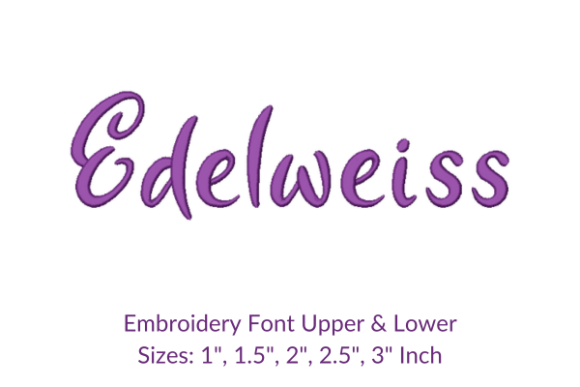
The first impression of this font is distinctly elegant yet approachable. It does not scream for attention with overly complex flourishes, nor does it feel starkly modern. Instead, it carries a timeless quality that bridges the gap between rustic charm and premium boutique aesthetics. For those of us selling handmade products, finding a typeface that feels both classic and fresh is rare. The Edelweiss motif suggests purity and resilience, making it an excellent choice for customers looking for meaningful gifts. Whether you are an Etsy seller building a digital portfolio or a craft fair veteran stocking physical inventory, this design offers versatility that is hard to ignore.
Visual Appeal and Market Positioning
In a crowded market environment, your products have seconds to make an impact. The Edelweiss Font Embroidery Design stands out because of its clean lines and balanced spacing. When I envision this on a display table, I see it working exceptionally well for personalized items. Customers love seeing their names or significant dates stitched with precision. This font handles capital letters with a dignified presence, while the lowercase letters maintain a softness that prevents the text from feeling too rigid or corporate.
For sellers in the School niche, this font could be a subtle hit for teacher appreciation gifts or personalized library bags, provided the sizing is adjusted for readability. However, its true strength lies in the general gift market. It feels appropriate for weddings, anniversaries, and housewarmings. The aesthetic is not overly feminine nor strictly masculine, which broadens your target demographic. When photographing these items for online listings, the clarity of the font ensures that even thumbnail images convey the quality of the stitch work.
Product Applications and Versatility
To truly test the viability of any machine embroidery design, you must imagine it on various substrates. I evaluated how this font would perform across several key product categories:
- Tote Bag Design: This is perhaps the strongest application. A canvas tote with a single name or a short quote in Edelweiss font becomes an instant bestseller. The flat surface of a tote allows the font to shine without distortion.
- Apron Embroidery: For kitchen enthusiasts, an apron monogrammed with this font adds a touch of sophistication. It elevates a simple utility item into a cherished keepsake.
- Tea Towel Embroidery: Here, caution is required. The texture of waffle weave or linen can sometimes swallow smaller details. However, if used for a larger focal point, such as a family name, it creates a beautiful heirloom-quality piece.
- Embroidered Patch: Patches are a high-margin small shop product. This font works well on patches if the size is kept above two inches to ensure the intricate parts of the letters do not merge.
- Caps and Hats: Curved surfaces are tricky. The font’s structure holds up reasonably well on the front panel of a cap, but I recommend avoiding extremely long phrases to prevent distortion around the curve.
Beyond these, consider pillow covers and fabric pouches. The adaptability of this digital embroidery file means you can create a cohesive brand look across multiple product lines. Consistency in your booth display helps build brand recognition, and using a signature font like Edelweiss can become part of your visual identity.
Production Practicalities for Sellers
Beauty means nothing if the design is a nightmare to produce. From a production standpoint, the Edelweiss Font Embroidery Design appears to be designed with efficiency in mind. For batch production at craft fairs, speed and reliability are crucial. You need designs that run smoothly without constant thread breaks or bird nests.
One critical factor to consider is stitch density. While the description notes this is a high-quality font, always check the density settings in your software. If the density is too high for lightweight fabrics, you may experience puckering. Conversely, if it is too light on heavy denim, the fabric might show through. I recommend running test stitches on scrap fabric that matches your actual product materials. This step is non-negotiable for maintaining the reputation of your finished product.
Another practical consideration is the hoop size. Ensure that the font scales appropriately within the hoops you commonly use. If you are primarily using 4x4 hoops for small items like coasters or patches, verify that the smallest letters remain legible. For larger items like market bags, a 5x7 or 6x10 hoop will allow the font to breathe, enhancing its elegance.
Careful-Use Notes and Technical Tips
Even the best designs have limitations. To get the most out of this embroidery file, keep the following technical notes in mind:
- Fabric Texture: Avoid using this font on highly textured towels unless you increase the size. The loops of the towel can obscure fine details.
- Dark Fabric: When stitching on dark fabrics, ensure you use a high-contrast thread color. Also, consider using a topping stabilizer if the fabric nap is long, to keep the stitches sitting on top rather than sinking in.
- Small Lettering: Do not shrink this font beyond its recommended minimum size. Tiny details in the serifs or connections may lose clarity, resulting in a muddy appearance.
- Stabilizer Choice: Match your stabilizer to your fabric. Cut-away stabilizer is generally safer for garments that will be washed frequently, ensuring the design remains stable over time.
Additionally, always confirm the commercial licensing terms before selling. While this design is marketed for personalization, you must ensure your specific purchase includes rights for commercial embroidery sales. Never assume; always read the license included with your design assets.
Enhancing Brand Value and Customer Engagement
Ultimately, the Edelweiss Font Embroidery Design is more than just threads on fabric; it is a vehicle for connection. When a customer sees their name stitched in a font that feels thoughtful and refined, they perceive higher value. This perception allows you to price your craft fair product accordingly. It moves the item from a commodity to a custom experience.
Use this font to create printable mockup images for your online store. Show the font on various backgrounds to help customers visualize the end result. Highlight the ease of personalization in your product descriptions. Explain that this font was chosen for its clarity and beauty, reinforcing your expertise as a designer.
In conclusion, incorporating the Edelweiss Font Embroidery Design into your product line is a strategic move for any serious maker. It balances aesthetic appeal with production practicality. By testing it on different fabrics, respecting its size limitations, and leveraging its elegant style, you can create standout items that resonate with buyers. Whether you are updating your Etsy shop or preparing for the upcoming holiday market season, this font offers the reliability and charm needed to succeed in the competitive world of handmade goods.